What you meet here, just by swimming, walking along the beach or floating on a paddleboard, is a cast of characters that feels almost local. Hamour, for instance – the orange-spotted grouper – is practically part of the national identity. You see it in markets, on menus, and occasionally gliding lazily around rocky patches just offshore, wearing its usual expression of mild disapproval.
Then there’s the kingfish, the sleek silver missile of the Gulf. The Narrow-barred Spanish mackerel swims like a rocket launching – sometimes straight up, sometimes sideways, sometimes directly into unsuspecting humans. If you’ve ever been hit at speed by something shiny and torpedo-shaped, congratulations – you’ve already met it.
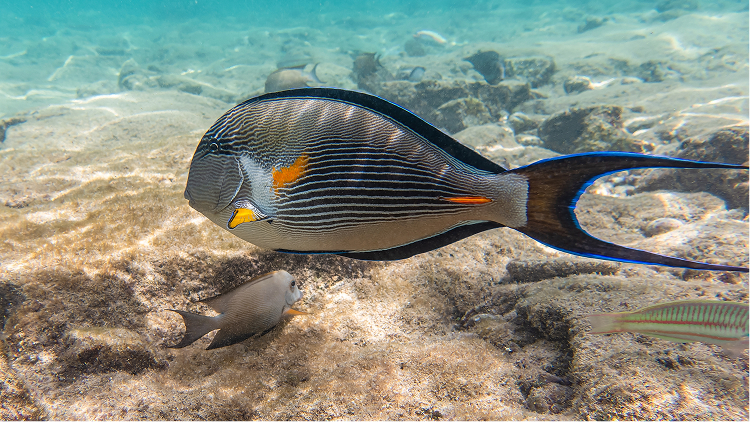
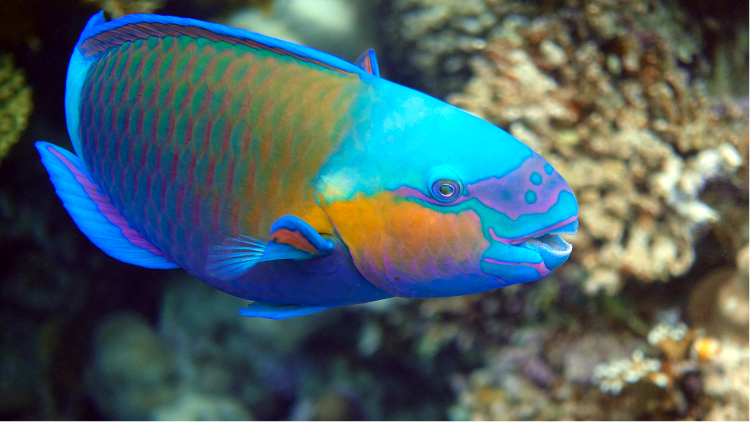
In the shallows, Safi drift around like small, polite neighbours nibbling on seagrass. Near piers and breakwaters, trevallies flash by in coordinated silver formations, all muscle and precision. Meanwhile, the everyday reef crowd – parrotfish chewing noisily on rocks, surgeonfish gliding like quiet supervisors – fills the water with colour and movement, especially early in the morning when everything is calm.
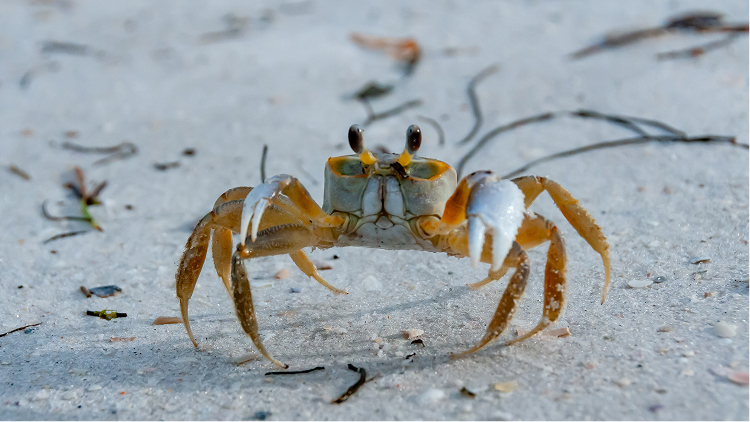
Once you step out of the fish world, the cast gets even more entertaining. Ghost crabs sprint across the sand at sunset, pausing only long enough to stare at you as if you’ve crashed their private meeting. Their cousins, the fiddler crabs, gather in mangroves waving their oversized claws like overenthusiastic guests trying to get a waiter’s attention. Blue swimming crabs move with a kind of unexpected grace, darting backward through shallow water as if performing synchronized routines.
When winter cools the water, small stingrays and butterfly rays slip closer to shore. Their silhouettes glide over pale sandbars, quiet and unbothered, like they’re enjoying the weather change just as much as the rest of us. And if you’ve ever noticed something hovering like a tiny alien, blinking curious W-shaped pupils before vanishing in a cloud of ink – yes, that was a cuttlefish. The Arabian Gulf has plenty of them, and they’re far more charming than their reputation suggests.
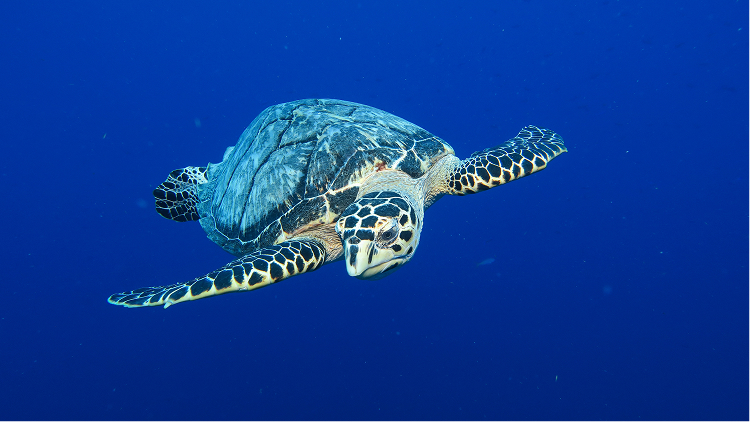
Every now and then, if the sea feels generous, a turtle drifts by. Hawksbills are the most common here, moving slowly, as if they’re immune to the rush of the modern world happening just a few meters above. And somewhere beyond the shallows lives the dugong – the quiet sea-cow of the Gulf. You rarely see it unless the sea feels generous, but it’s there, grazing on seagrass with the unhurried calm of a creature that has absolutely no interest in human drama. Spotting one feels like stumbling into a secret the water usually keeps to itself.
The reason you meet all these creatures so easily is simple: the Gulf is shallow, warm, and calm, more like a giant sunlit lagoon than a wild ocean. Life stays close to shore. Fish swim under paddleboards. Crabs run across your path. Rays wander into waist-deep water. No need to be a marine biologist to meet the residents of the Gulf. You just need to be outside.

.svg)


.jpg)
%20(1).jpg)
.jpg)
.jpg)









.jpg)


.jpg)


.webp)





.webp)







.webp)

.webp)



.webp)

_11zon.jpeg)
.jpg)
.jpeg)
.webp)

.jpg)


.webp)




.webp)

.webp)





.webp)
.webp)
%20(2).webp)
.webp)
.webp)
.webp)

.webp)


.png)
.png)
