.jpg)
The bisht, a traditional men’s cloak worn across the Arab world, is a symbol of dignity and ceremony. Typically crafted from wool or camel and goat hair, it is worn over regular clothing during key life moments such as weddings, births, funerals and major festivals. Its design varies by region and season, but the gesture is timeless: draped over the shoulders and held across the chest, leaving the right hand free for greetings and blessings.
The zaffa – a celebratory bridal procession marking the transition into married life – was also inscribed on the list. Practised in the UAE and several countries across the region, the zaffa blends music, movement, symbolic rituals and communal joy. Traditions may include henna ceremonies, special attire for bride and groom, and protective gestures such as drinking milk or cracking an egg to bless the union. Each community adapts the customs in ways that reflect its own heritage.
Unesco’s latest round of inscriptions also highlighted cultural elements from other nations. India’s Deepavali (Diwali) was recognised as a festival symbolising light, renewal and community. Bangladesh’s traditional Tangail saree weaving – a meticulous handloom craft passed down within families – was also added, celebrating the skill and cultural meaning behind the art.
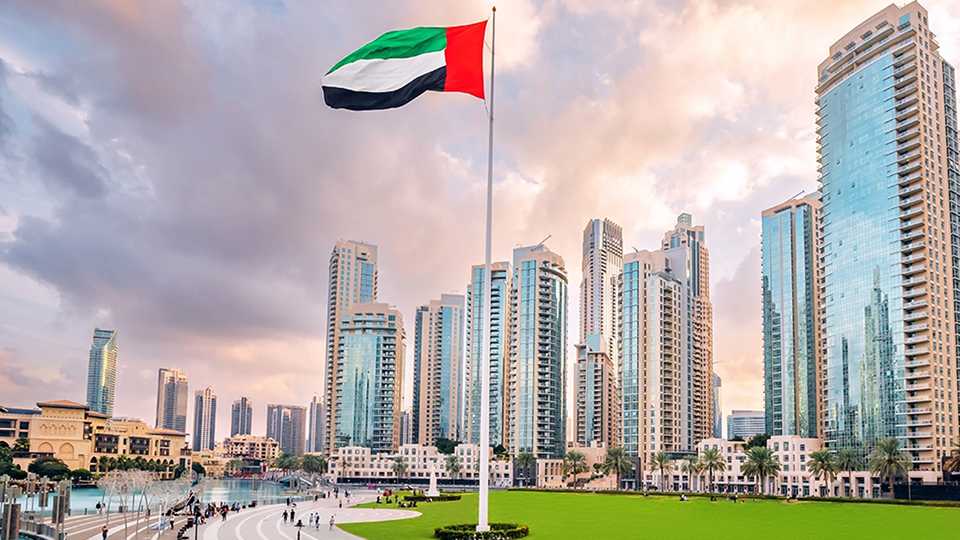
Together, these additions reflect the diversity and resilience of global heritage. For the UAE, the recognition underscores living traditions that continue to unite communities, honour ancestry and enrich the cultural landscape of the region.

.svg)


.jpg)
.jpg)
.jpg)

.jpg)
.jpg)
.jpg)
%201%20(1).jpg)
%201%20(2).jpg)
.jpg)

.jpg)
.jpg)
.jpg)
.jpg)
.jpg)
.jpg)
.jpg)
.jpg)
.jpg)
.jpg)
.jpg)

.jpg)
.jpg)
.jpg)
.jpg)
.jpg)
.jpg)
.jpg)


.jpg)
.jpg)
.jpg)
.jpg)
.jpg)
%201%20(1).jpg)
.jpg)
.jpg)
.jpg)
.jpg)
.jpg)
.jpg)
.jpg)

.jpg)
.jpg)
.jpg)

.jpg)
.jpg)
.jpg)

.jpg)
.jpg)
.jpg)
.jpg)
.jpg)
.jpg)

.jpg)
.jpg)
.jpg)
.jpg)
.jpg)
.jpg)
.jpg)
.jpg)
.jpg)

.webp)
.webp)

.webp)


.webp)
.webp)
.webp)

.webp)
.webp)
.webp)
.webp)
.webp)
.webp)

.webp)
.webp)
.webp)
.webp)
.webp)
.webp)


.png)
.png)
